S&P 500 — US Large Cap Index
 FTSE 100 — UK Blue Chips
 Euro Stoxx 50 — Eurozone Leaders
 DAX 40 — German Equities
 CAC 40 — French Market Index
 Nikkei 225 — Japan Benchmark
 Hang Seng — Hong Kong Index
 Shanghai Composite — China Mainland
 ASX 200 — Australian Market
 TSX Composite — Canada Index
 Nifty 50 — India Large Cap
 STI Index — Singapore Market
 KOSPI — South Korea Index
 Bovespa — Brazil Equities
 JSE Top 40 — South Africa Index
 IPC Index — Mexico Market
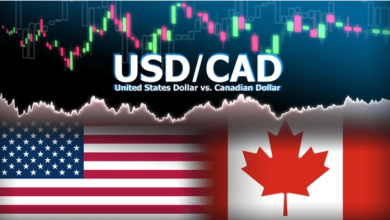
- USD/CAD rises as the commodity-linked Canadian Dollar weakens amid falling oil prices.
- WTI drops over 11.5% this week after the US–Iran agreed to a two-week ceasefire, easing supply concerns.
- US official confirms Lebanon–Israel talks will be held next week in Washington, DC.
USD/CAD gains ground after four days of losses, trading around 1.3820 during the Asian hours on Friday. The pair appreciates as the commodity-linked Canadian Dollar (CAD) struggles amid lower oil prices, given Canada’s status as the largest crude exporter to the United States (US).
West Texas Intermediate (WTI) oil price holds losses after experiencing volatility, trading around $91.80 per barrel at the time of writing. The WTI price is down by over 11.5% for the week, at the time of writing, after the US and Iran agreed to a two-week ceasefire.
However, crude oil prices may regain ground as Israeli strikes on Lebanon and the ongoing closure of the Strait of Hormuz strain diplomatic efforts. Israeli Prime Minister Benjamin Netanyahu said that there is “no ceasefire in Lebanon” and Israel would continue “to strike Hezbollah with full force” as the country’s military launched fresh strikes.
Reuters reported that a US State Department official confirmed that talks between Lebanon and Israel will take place next week in Washington, DC. “We can confirm that the Department will host a meeting next week to discuss ongoing ceasefire negotiations with Israel and Lebanon,” said a US official.
US Federal Reserve’s (Fed) March Meeting Minutes suggest the central bank remains in a wait-and-see stance, while acknowledging that inflationary risks linked to higher oil prices are becoming more balanced. Traders await the US Consumer Price Inflation (CPI) report due later in the North American session.